Emergency Medical Care Qualifications in South Africa

Mediclinic is one of South Africa’s leading private healthcare providers and a recognised training institution for healthcare professionals. Through its education division, Mediclinic Higher Education, the organisation offers accredited emergency medical care programmes that prepare students for careers in ambulance services, hospitals, and emergency response environments.
For 2026, Mediclinic continues to provide paramedic training pathways designed to equip students with the theoretical knowledge, clinical competence, and practical experience required to deliver life-saving emergency medical services. These programmes combine classroom education, simulation-based training, and real-world clinical placements in hospitals and ambulance settings.
This comprehensive guide explains Mediclinic paramedic training opportunities for 2026 in detail, including qualifications available, admission requirements, training structure, clinical experience, career outcomes, application procedures, and professional registration pathways.
About Mediclinic and Its Education Division
Mediclinic International is a global healthcare company with operations in South Africa, Namibia, Switzerland, and the Middle East. In Southern Africa, Mediclinic operates a large network of private hospitals, day clinics, and emergency medical services.
The organisation established Mediclinic Higher Education to train healthcare professionals such as nurses, paramedics, and emergency care assistants. The institution is registered as a private higher education provider and accredited by South African regulatory bodies to deliver health qualifications.
Mediclinic’s training programmes emphasise patient safety, clinical excellence, ethical practice, and evidence-based emergency care. Students receive education aligned with national healthcare standards and international best practice.
Overview of Mediclinic Paramedic Training Programmes
Mediclinic paramedic training programmes fall within the field of Emergency Medical Care (EMC). These qualifications prepare students to assess patients, provide emergency treatment, stabilise critical conditions, and transport patients safely to healthcare facilities.
Mediclinic offers two primary pathways into paramedic practice:
Higher Certificate in Emergency Medical Care
Diploma in Emergency Medical Care
These programmes align with professional registration categories regulated by the Health Professions Council of South Africa.
The Role of Paramedics in South Africa
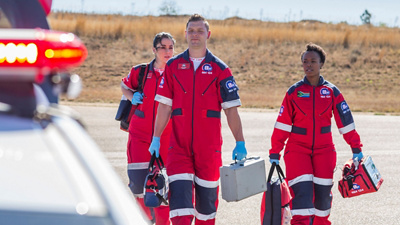
Paramedics are frontline healthcare professionals who respond to medical emergencies, trauma incidents, and disasters. They provide immediate treatment at accident scenes, homes, workplaces, and public locations before patients reach hospitals.
Their responsibilities include patient assessment, airway management, resuscitation, bleeding control, immobilisation, medication administration, and emergency transport. Paramedics must make rapid clinical decisions in unpredictable and high-pressure situations.
South Africa’s high burden of trauma and medical emergencies creates strong demand for trained paramedics across both public and private sectors. Mediclinic training programmes aim to meet this demand by producing competent emergency practitioners.
Higher Certificate in Emergency Medical Care
The Higher Certificate in Emergency Medical Care is the entry-level paramedic qualification offered by Mediclinic. This programme prepares students to become Emergency Care Assistants who support ambulance crews in delivering basic life support care.
The programme typically lasts one year and includes both theoretical and practical components. Students learn fundamental emergency care principles, patient handling, and ambulance operations.
After completion, graduates may register with the Health Professions Council of South Africa and work in emergency medical services under supervision.
Diploma in Emergency Medical Care
The Diploma in Emergency Medical Care is an advanced paramedic qualification offered by Mediclinic. This programme trains students to provide independent advanced life support care and manage complex medical emergencies.
The diploma typically spans two years and includes in-depth training in anatomy, physiology, pharmacology, trauma care, and advanced airway procedures. Students gain extensive clinical experience in hospitals and ambulance services.
Graduates qualify for professional registration as paramedics capable of independent practice in emergency medical environments.
Admission Requirements for Mediclinic Paramedic Training
Admission criteria vary slightly between programmes, but general requirements include a National Senior Certificate or equivalent qualification. Applicants must demonstrate proficiency in English and mathematical reasoning, as emergency medical care requires accurate calculations and communication.
Candidates must also meet health and fitness standards suitable for physically demanding emergency work. Some programmes may recommend or require a driver’s licence because ambulance work involves vehicle operations.
Applicants must demonstrate motivation to pursue a career in emergency medical services and commitment to patient care.
Selection and Screening Process
Mediclinic paramedic programmes are competitive due to high demand. Applicants may undergo screening procedures that assess academic readiness, aptitude for healthcare work, and personal suitability.
Selection methods may include application review, interviews, and health assessments. Candidates must demonstrate professionalism, resilience, empathy, and the ability to function under pressure.
Successful applicants receive admission offers and enrolment instructions.
Structure of Mediclinic Paramedic Training
Mediclinic programmes integrate three core learning environments: classroom instruction, simulation laboratories, and clinical placements. This blended approach ensures students develop theoretical knowledge and practical competence simultaneously.
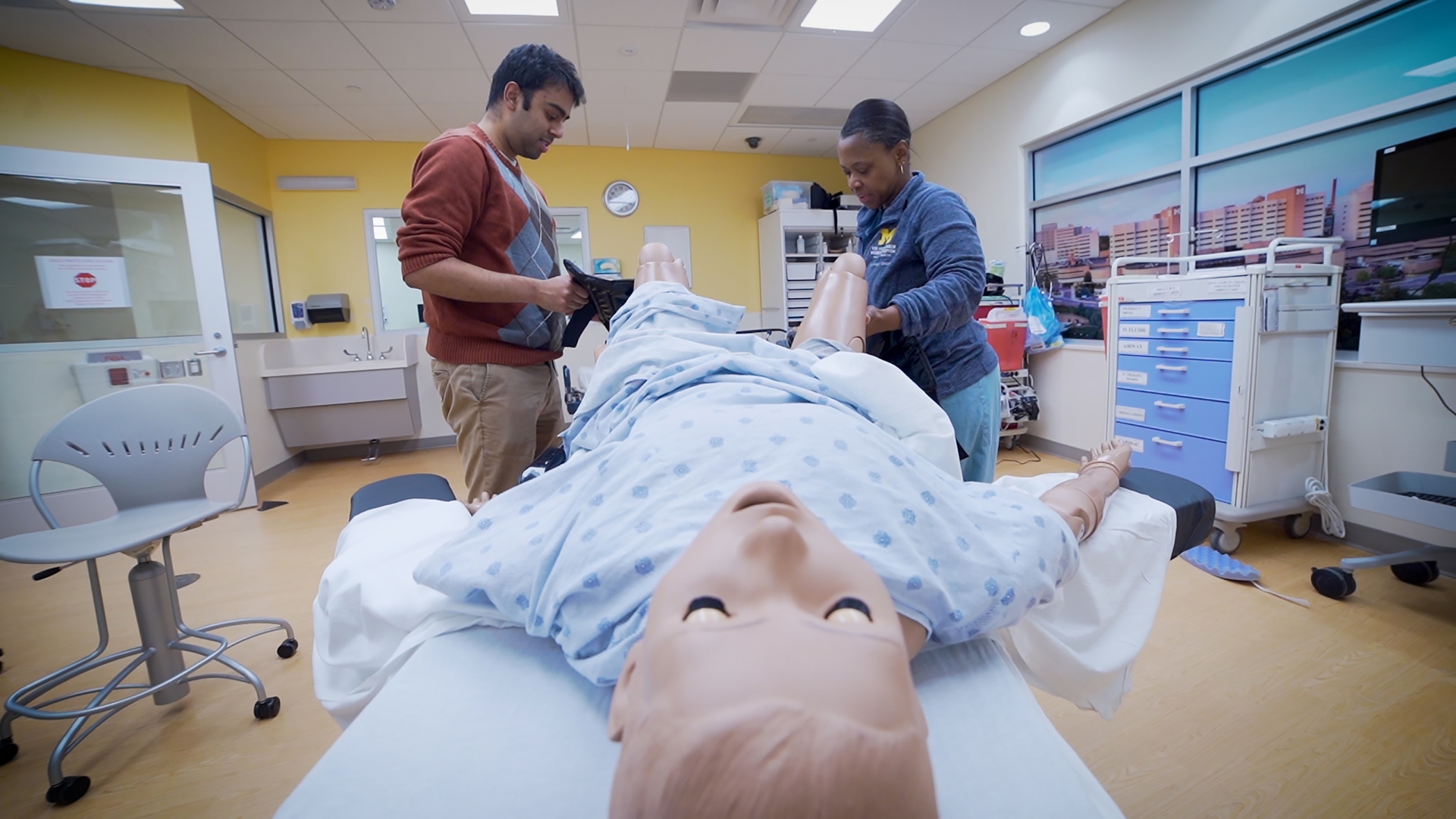
Classroom sessions cover scientific and medical theory. Simulation laboratories replicate emergency scenarios using mannequins and equipment. Clinical placements expose students to real patients and emergency situations.
This structure allows progressive skill development from basic procedures to advanced clinical decision-making.
Theoretical Subjects in Emergency Medical Training
Paramedic students study a range of subjects essential for emergency care practice. These include anatomy and physiology, which explain body systems and how illness or injury affects them.
Students learn emergency care theory covering trauma management, medical emergencies, and patient stabilisation. Pharmacology introduces medications used in emergency treatment.
Additional subjects include patient assessment, communication, medical ethics, and healthcare law. These subjects prepare students to provide safe and ethical care.
Practical and Clinical Training
Clinical experience is a major component of Mediclinic paramedic programmes. Students participate in supervised ambulance shifts, emergency department placements, and hospital rotations.
During clinical training, students apply skills such as airway management, cardiopulmonary resuscitation, wound care, and patient monitoring. They observe and assist experienced practitioners in real emergencies.
Practical exposure builds confidence, competence, and readiness for independent practice after graduation.
Simulation-Based Learning
Mediclinic uses simulation laboratories to teach emergency procedures safely before students treat real patients. Simulation scenarios may include cardiac arrest, trauma incidents, and medical emergencies.
Students practice using defibrillators, oxygen delivery systems, stretchers, and monitoring equipment. Instructors provide feedback to improve technique and decision-making.
Simulation bridges the gap between theory and clinical practice.
Registration with the Health Professions Council
After completing Mediclinic emergency medical care qualifications, graduates must register with the Health Professions Council of South Africa to practise legally.
Registration ensures practitioners meet national competency standards and ethical requirements. Different registration categories correspond to qualification levels, such as Emergency Care Assistant or Paramedic.
Professional registration allows graduates to work in ambulance services, hospitals, and emergency response organisations.
Career Opportunities After Mediclinic Paramedic Training
Mediclinic paramedic graduates can pursue careers in multiple healthcare sectors. Opportunities exist in private ambulance companies, hospital emergency departments, and industrial emergency services.
Paramedics may work in mining operations, offshore industries, aviation medical services, and disaster response teams. Some pursue international employment where qualifications are recognised.
Emergency medical care is a mobile and globally relevant profession with diverse career pathways.
Demand for Paramedics in South Africa
South Africa experiences high rates of trauma from road accidents, violence, and occupational hazards. Medical emergencies such as cardiac events and respiratory illness also require rapid response.
These conditions create strong demand for skilled paramedics capable of delivering immediate care. Both public and private healthcare sectors require trained practitioners to meet emergency service needs.
Mediclinic training programmes contribute to addressing this national skills shortage.
Benefits of Studying Paramedicine at Mediclinic
Mediclinic training offers several advantages for students pursuing emergency medical careers. The institution operates within a major healthcare network, providing access to modern facilities and clinical placements.
Students receive training aligned with industry standards and real emergency service practices. Clinical exposure occurs in active healthcare environments rather than purely academic settings.
Mediclinic qualifications are recognised and designed to support professional registration and employment readiness.
Application Process for Mediclinic Paramedic Training 2026
Prospective students must apply through Mediclinic Higher Education channels. Applications typically open during the year preceding the intake and require submission of academic records and personal details.
Applicants select their preferred programme and training campus. Supporting documents such as identification and certificates must be uploaded.
Shortlisted candidates may be invited for interviews or assessments before final selection.
Application Timeline
Mediclinic paramedic training intakes generally follow an annual cycle. Applications often open mid-year, with deadlines later in the year and programmes commencing the following January.
Applicants should monitor official announcements and apply early to secure consideration. Late applications may not be accepted due to limited programme capacity.
Financial Considerations
Paramedic training involves tuition and related costs because Mediclinic Higher Education operates as a private institution. Students must plan financially for study expenses, equipment, and accommodation if relocating.
Some students may obtain funding through bursaries, loans, or employer sponsorships. Financial planning is essential to ensure programme completion.
Professional Skills Developed
Paramedic training develops numerous professional competencies. Students gain clinical skills in emergency assessment and treatment. They learn communication skills for interacting with patients and healthcare teams.
Decision-making under pressure is a core competency, as paramedics must act rapidly in critical situations. Ethical practice and patient confidentiality are emphasised throughout training.
These skills prepare graduates for responsible healthcare practice.
Personal Attributes for Success in Paramedicine
Successful paramedics possess specific personal qualities. Compassion and empathy are essential for caring for injured or ill patients. Emotional resilience helps practitioners cope with trauma exposure.
Physical stamina supports demanding shifts and patient handling. Adaptability allows response to unpredictable emergencies. Strong teamwork ensures coordination with other responders.
Mediclinic training aims to cultivate these attributes alongside technical skills. CLICK HERE TO APPLY!